

Blog
Bathroom Remodeling Costs: Factors Influencing Your Investment in Spaulding Square

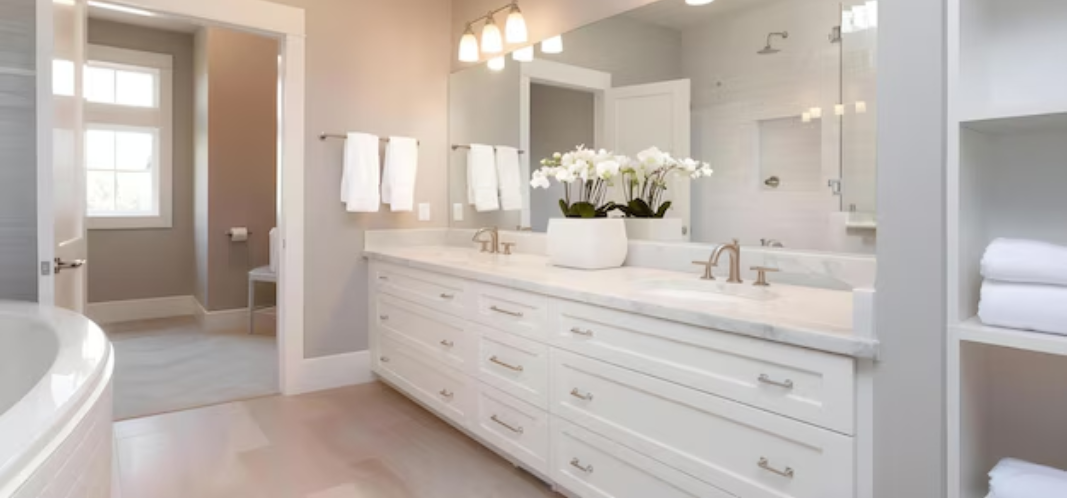
Embarking on a bathroom renovation is an exciting prospect, promising a refreshed and functional space. Whether you’re aiming for a simple update or a complete overhaul, understanding the financial commitment is crucial. The cost of remodeling bathrooms can vary significantly, influenced by a range of choices you’ll make throughout the design and construction process. This guide explores the primary elements that shape the overall investment, helping homeowners in areas like Spaulding Square make informed decisions.
Key points
- Bathroom remodeling costs are highly variable.
- Design complexity and scope significantly impact the final price.
- Material selection, from basic to luxury, is a major cost driver.
- Labor costs for skilled tradespeople are a substantial part of the budget.
- Plumbing and electrical upgrades can add significant expense, especially in older homes.
- Factor in permit fees and a contingency fund for unexpected issues.
Design Complexity and Scope
The initial design and the overall scope of the project are fundamental drivers of cost. A minor refresh involving new fixtures and paint will naturally be less expensive than a full gut renovation that reconfigures the layout, moves plumbing, or expands the room’s footprint. The complexity of the design—whether it’s a straightforward update or a sophisticated layout incorporating elements like a separate shower and tub, or a custom vanity—directly impacts labor hours and material requirements. More intricate designs demand greater planning and precision, often requiring specialized skills.
Material Selections: From Basic to Luxury
The choices you make for finishes and fixtures will have a substantial effect on your budget. Basic, functional materials like standard ceramic tiles, builder-grade faucets, and simple lighting fixtures are more budget-friendly. Conversely, opting for high-end materials such as natural stone tiles, designer-brand fixtures, custom glass shower enclosures, or premium countertops can significantly increase the overall cost. Consider the lifespan and maintenance of materials as well; sometimes, investing in more durable, higher-quality items can offer better long-term value. This applies to everything from flooring and wall tiles to toilets, sinks, and showerheads. Even the choice of paint color or the type of grout can have a minor cumulative effect.
Labor Costs and Professional Services
The expense of hiring skilled professionals is a significant component of any bathroom remodel. This includes the cost of plumbers, electricians, tilers, and general contractors. The prevailing rates for these services in your specific locale, such as Spaulding Square, will influence the total. Factors like the experience and reputation of the tradespeople, the duration of the project, and the complexity of the work all contribute to labor expenses. Obtaining detailed quotes from multiple reputable contractors is essential for understanding and managing this aspect of the budget. Sometimes, a contractor may also handle project management, coordinating all the different trades, which can add to the cost but also streamline the process.
Plumbing and Electrical Upgrades
Older homes may require substantial upgrades to their plumbing and electrical systems to support modern fixtures and appliances. Rerouting pipes, replacing outdated wiring, or adding new outlets and circuits can add considerable expense. If you plan to move plumbing fixtures—such as relocating a toilet or shower—this will involve extensive work and associated costs. Similarly, adding new electrical points for lighting, ventilation fans, or heated towel racks requires careful planning and execution by qualified electricians. These behind-the-scenes upgrades are critical for functionality and safety but often represent a substantial portion of the budget.
Permits and Unexpected Issues
Depending on the scope of your renovation and local building codes, you may need to obtain permits from your municipality. The cost of these permits varies but should be factored into your budget. Furthermore, renovations, especially in older properties, can uncover unexpected issues. Hidden water damage, structural problems, or outdated systems might need immediate attention, leading to unforeseen expenses. It is wise to set aside a contingency fund, typically 10-20% of the total estimated cost, to cover such eventualities and ensure the project can be completed without compromise.
Common questions
What is the average cost of a bathroom remodel?
The average cost of a bathroom remodel can vary widely, but it is typically influenced by the scale of the project, the quality of materials chosen, and local labor rates. Simple updates might cost significantly less than a full gut renovation that includes moving plumbing or expanding the space.
How much do high-end bathroom materials add to the cost?
High-end materials like natural stone, custom glass enclosures, and designer fixtures can substantially increase the overall cost compared to standard options. For example, opting for marble or granite tiles instead of ceramic can double or even triple the material cost for flooring and walls.
Are permits necessary for a bathroom remodel?
Permits are often necessary, especially for renovations that involve structural changes, moving plumbing or electrical lines, or altering the room’s footprint. The requirement for permits depends on local building codes and the specifics of the project, and their cost should be included in the budget.
How can I save money on a bathroom renovation?
You can save money by carefully planning your design to avoid moving plumbing, selecting durable but more affordable materials, and considering a phased approach to the renovation. Doing some of the work yourself, if you have the skills, can also reduce labor costs, but always ensure professional work is done for critical systems like plumbing and electrical.